Food-grade protease enzymes are the workhorses that break down proteins into peptides and amino acids. They improve texture, flavour, digestibility and nutrition across a huge range of food products. Here is how they work and where they shine.
What is protease?
- An enzyme that catalyses the breakdown of proteins
- Produced by microbial fermentation (e.g., Bacillus)
- Available in varying specificity and activity levels
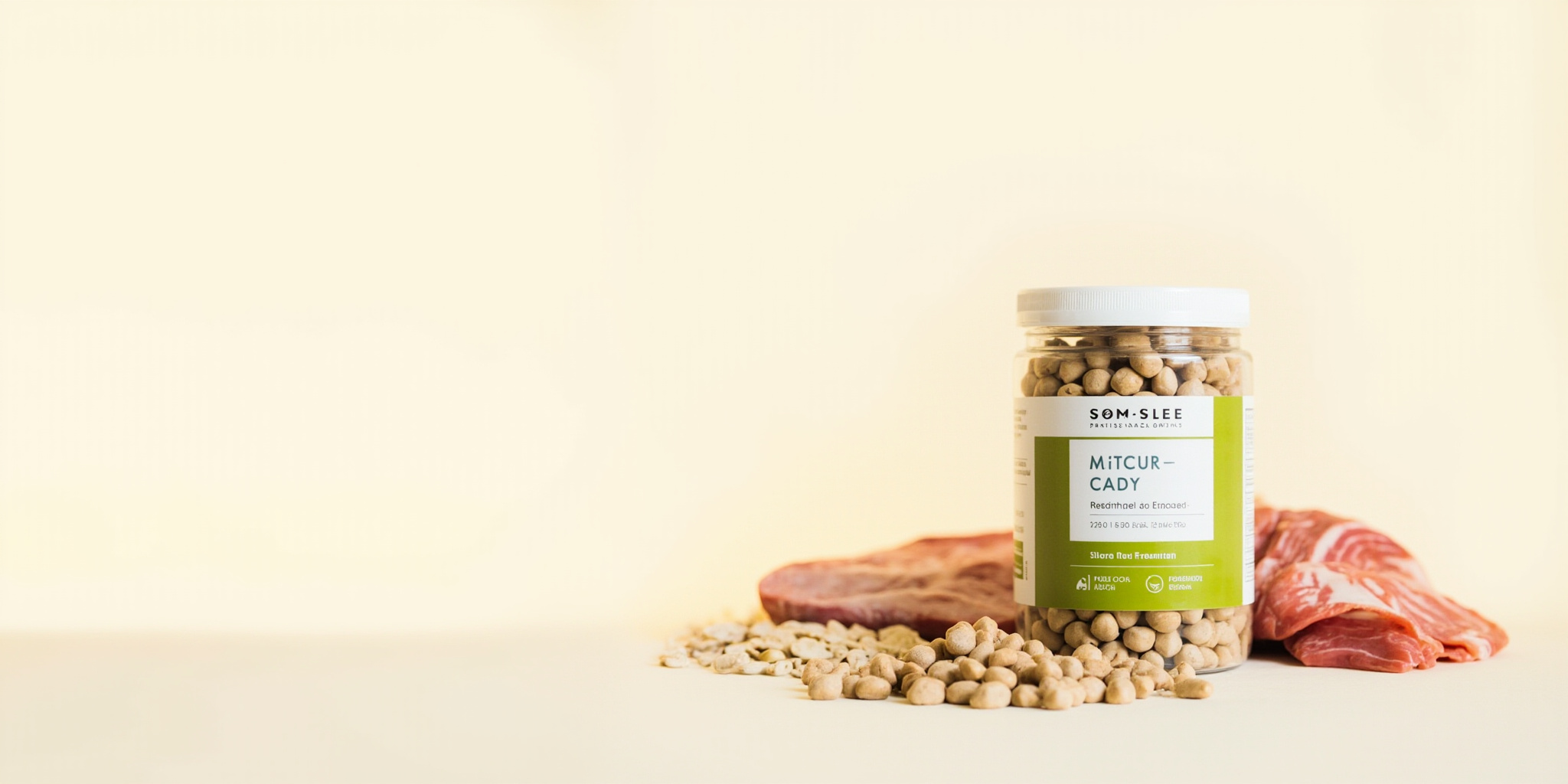
Key applications
1. Meat tenderising
- Breaks down connective tissue for tenderness
- Improves texture in processed meats
2. Protein hydrolysates
- Produces easily digestible peptides
- Used in sports nutrition and infant formulas
3. Brewing and baking
- Improves clarity and fermentability in beer
- Enhances dough handling in baking
4. Dairy processing
- Used in cheese production and lactose-free processing
Why enzyme quality matters
Consistent activity, measured in enzyme units, is essential for reproducible results. High-quality protease ensures reliable performance and predictable outcomes in any food application.