Consumers are demanding cleaner labels, and the natural food colour market is booming. From plant-based reds and blues to vibrant fruit and vegetable extracts, brands are replacing synthetic dyes with nature's palette. Here is the trend landscape.
Why natural colours are rising
- Regulatory pressure on certain synthetic dyes
- Growing consumer preference for recognisable, plant-based ingredients
- Brand desire for clean, transparent labels
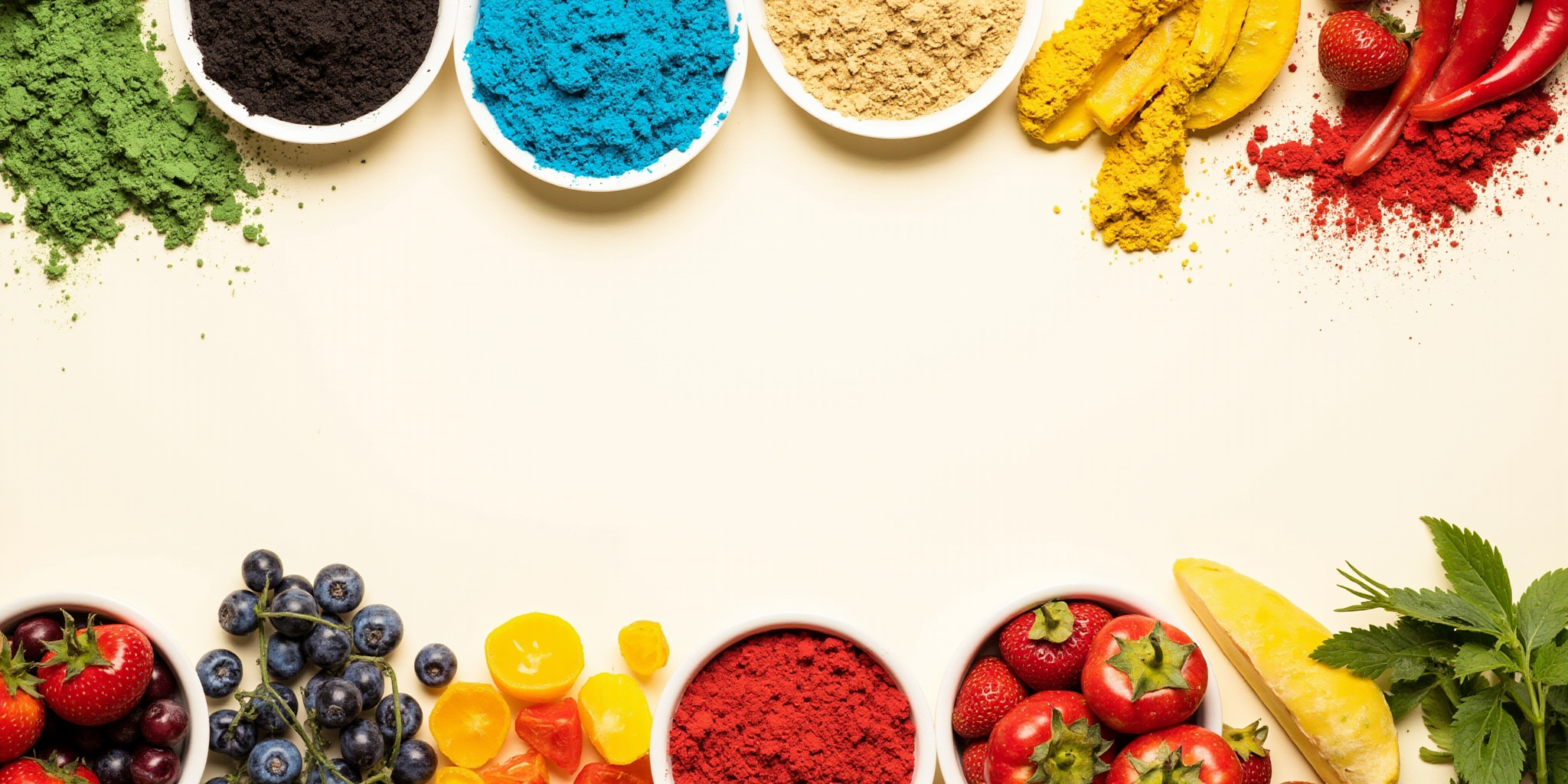
Leading natural colourants
1. Anthocyanins (reds, purples, blues)
- From berries, grapes and purple vegetables
- Used in beverages, confectionery and dairy
2. Carotenoids (yellows, oranges, reds)
- From carrots, paprika and tomatoes
- Stable and vibrant across many foods
3. Chlorophyll (greens)
- From leafy greens and spirulina
- Used in beverages and confectionery
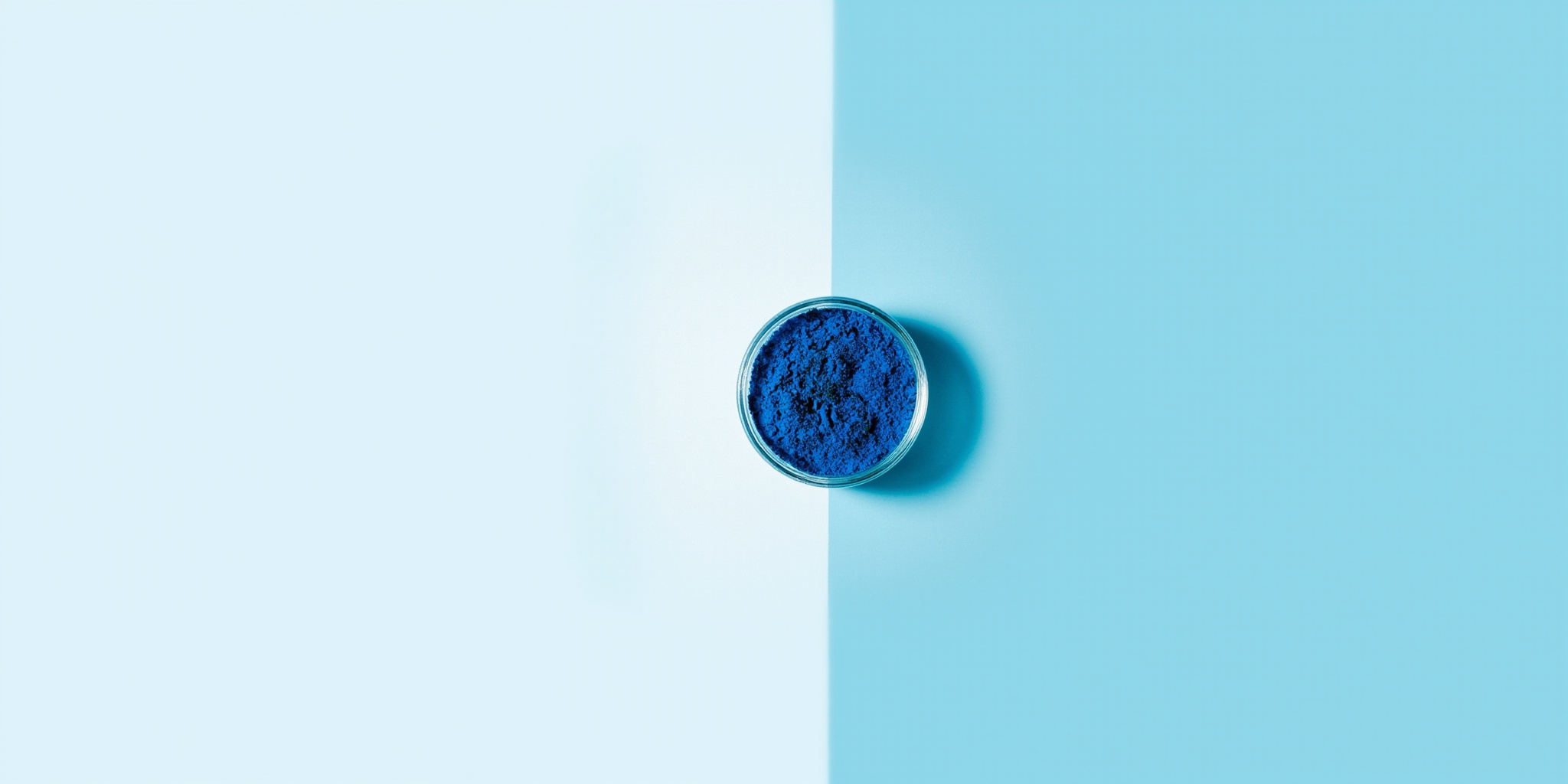
4. Phycocyanin (blue)
- The vibrant blue from spirulina
- A sought-after natural alternative to synthetic blue
Formulation challenges
Natural colours can be sensitive to heat, pH and light. Skilled formulation and stabilisation are needed to maintain vivid, consistent colour throughout shelf life.
As demand grows, natural colourants are becoming both a functional choice and a powerful marketing story for food brands worldwide.